Engineering degree ‘dream come true’ for Aylor-Ibarra
Kim Chaudoin |
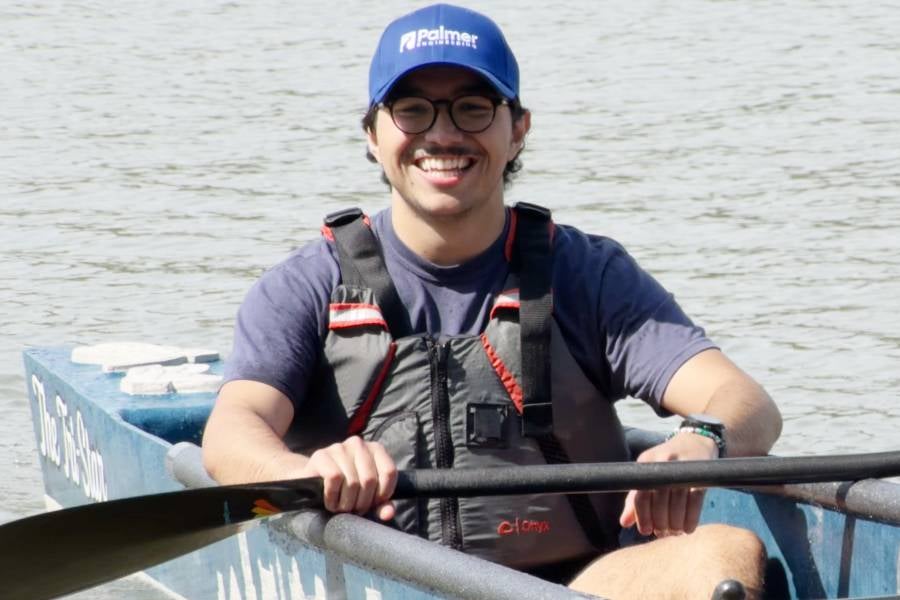
For Alex Aylor-Ibarra, earning a college degree has never been just about personal achievement.
When he received his Bachelor of Science degree in civil and environmental engineering at from Lipscomb University at commencement on May 2, he did so as the first in his family to graduate from college. This is a milestone that he says represents not only his hard work, but the sacrifices and perseverance of the family who made the opportunity possible.
“It means a lot,” said Aylor-Ibarra. “Being able to graduate with an engineering degree is a dream come true. This diploma [isn’t just] for me, but for my family and all the hard work and sacrifices they’ve made to give me such a great opportunity.”
A Nashville native, Aylor-Ibarra said he chose Lipscomb for its ABET-accredited engineering program, Christ-centered environment and the hands-on learning opportunities offered through the Raymond B. Jones College of Engineering and the Peugeot Center for Engineering Service in Developing Communities.
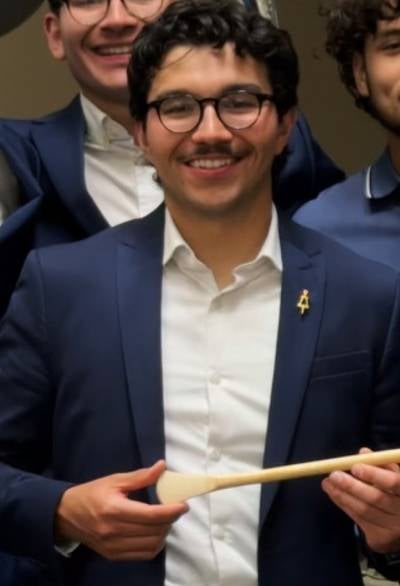
Alex Aylor-Ibarra
But it did not take long for him to realize he had found much more than an academic program.
“Every time I’m asked if I feel I’ve made the right decision going here, I tell them, ‘I couldn’t imagine doing engineering anywhere else,’” he said. “The support from professors for class, life and career is awesome. By far the best decision I’ve made in my life so far.”
Over the past four years, Aylor-Ibarra has been very involved in College of Engineering activities. During his time at Lipscomb, he has served as an Engineering Ambassador, Peugeot Missions Center Translator, Tau Beta Phi Treasurer and a mentor to others. He also volunteers his time providing tours of the lab facilities to prospective students, sitting on student panels and helping wherever needed during Lipscomb Fridays, Lipscomb Mondays and admitted student events like Presidential Scholars weekend and Purple & Gold Days.
Among his most significant involvements has been the university’s American Society of Civil Engineers (ASCE) concrete canoe team, where he has served as captain since his junior year. This is one of the most rigorous and multifaceted engineering competitions in the country. Teams must design, build and race a 20-foot canoe made entirely of concrete while also producing a technical report and formal presentation documenting every aspect of the project.
Under Aylor-Ibarra’s leadership, Lipscomb’s team has continued its rise as one of the top programs in the region, recently capturing its fifth consecutive MidSouth regional title this and earning another berth at nationals, which takes place in June.
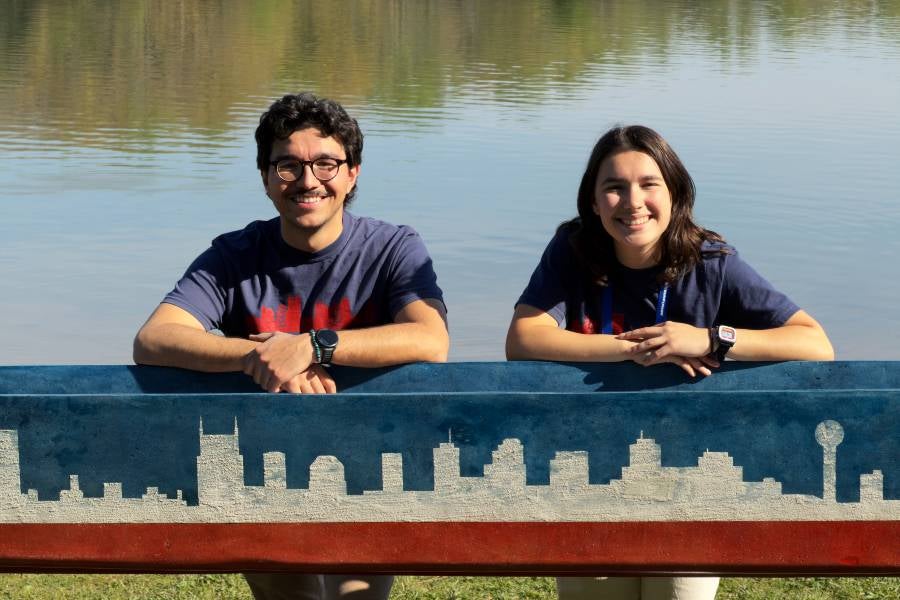
Aylor-Ibarra, left, served as co-captain of Lipscomb's concrete canoe team for the past two years.
“Through a revised project management approach that I led, the team was able to provide the judges the best final products the team had ever produced,” he said.
His work with the team has included leading the development of a new lightweight concrete mix capable of floating on its own, redesigning the canoe mold to reduce future program costs and mentoring younger teammates to sustain the program’s momentum after his graduation.
“Through this experience, I have earned great project management experience that will translate into the work I’m doing post-grad,” said Aylor-Ibarra.
He has also invested his time in training his successor for future competitions.
“He served as the overall captain last year and chose to stay on this year as a co-captain in an effort to mentor next year's captain,” shared Monica Sartain, assistant professor of civil and environmental engineering. “Mentoring isn't just a position to him; it's second nature to his spirit of servant leadership. Officially, he's mentoring the person to take command next year, but unofficially, he mentors all concrete canoe members, helping and encouraging the team through long hours and important deadlines.”
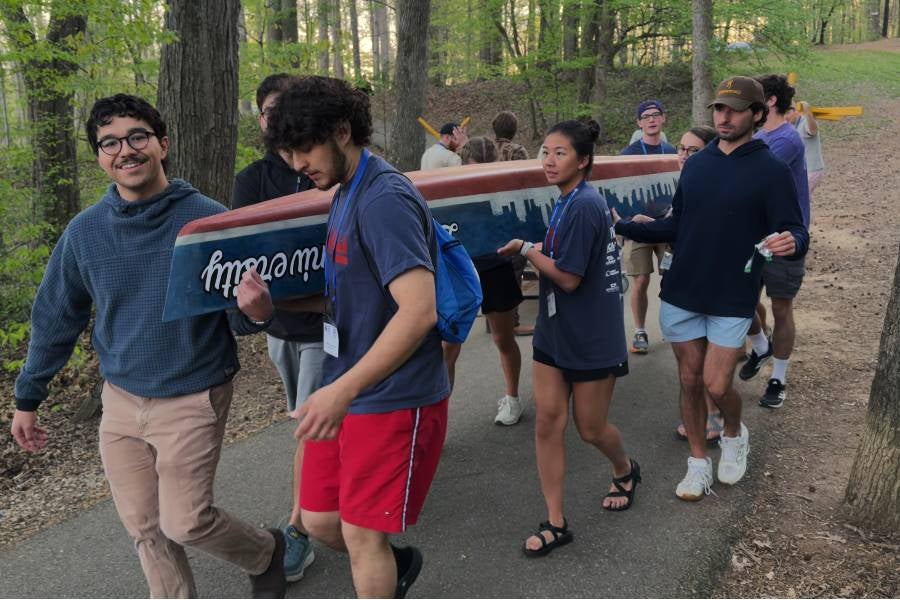
Aylor-Ibarra, left, helps carry the concrete canoe to the water with his teammates.
While the concrete canoe competition sharpened his technical and leadership skills, Aylor-Ibarra said some of his most formative experiences came through engineering mission work.
Through the Peugeot Center, he participated in four engineering service trips to Honduras and Guatemala, helping design and implement infrastructure projects that addressed real needs in underserved communities.
Aylor-Ibarra’s first trip, helping construct a pedestrian bridge in Honduras after his freshman year, expanded his understanding of what engineering could accomplish.
“Seeing the impact that this project could have on the community was eye-opening to the things I could do post-grad with my degree,” he said.
Subsequent trips focused on water access and infrastructure projects in Guatemala, where Aylor-Ibarra worked alongside communities and local engineering partners to improve water systems and lower long-term costs for families.
Those experiences gave him a firsthand view of the far-reaching impact thoughtful engineering can have.
“That experience made me fall in love with the work the Peugeot Center was doing,” he said.
For Aylor-Ibarra, those opportunities reflected exactly what he said he had hoped to find in an engineering education, not just technical preparation, but formation in how to use his skills to serve others.
After graduation, Aylor-Ibarra will begin his career as a structural engineer with Palmer Engineering in Nashville, where he will help design, inspect and rehabilitate bridges across the region.
Throughout his journey, he said he has been inspired by the example of his mother, aunt and uncle, all of whom migrated to the United States from Mexico and “built lives for their families through hard work and sacrifice.” He hopes his own story reflects the foundation they laid.
“They set the tone for me and my brother,” he said, “that even when things are difficult, inconvenient or hard, we can always work through it and that your family will always have your back.”
Learn more about the Raymond B. Jones College of Engineering