Alumna’s unique career contributed to new book 'Self-Rising'
Linda Carman’s career at the Martha White test kitchen led to co-authorship of book outlining history of baking biscuits and cornbread.
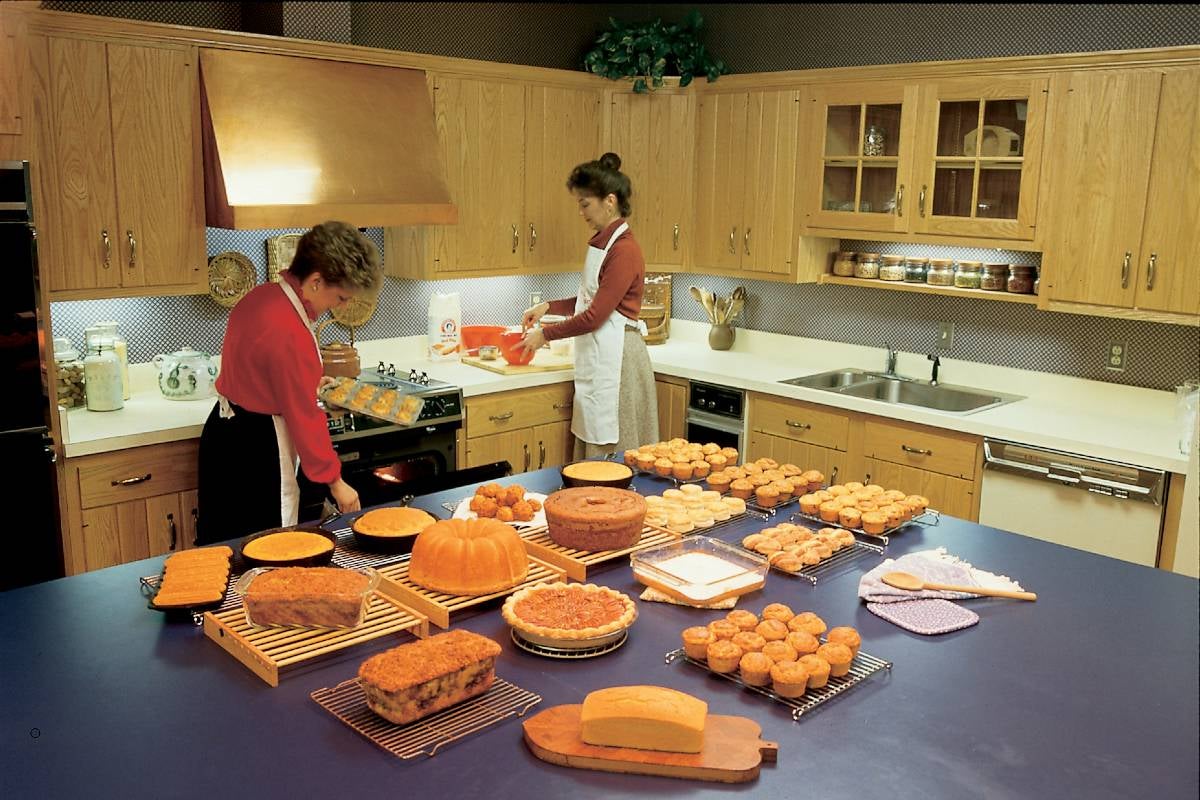

Linda Carman
Posted 8.7.2026
Before there were social media influencers, foodies and food bloggers, there was Linda (Thompson) Carman (BS ’68).
As a baking consultant and test kitchen director for Martha White, the long-time flour brand based in Nashville, Carman was demonstrating kitchen equipment, recipes and cooking techniques long before “food-fluencers” rose to prominence through the World Wide Web.
After a lifetime of traveling throughout the Southeast to hold baking demonstrations and developing recipes for pamphlets mailed to Martha White customers, the Cullman, Alabama native, has now added author to her list of accomplishments.
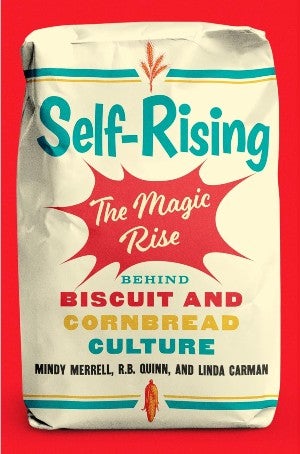
She is one of three contributing authors of the book, Self Rising: The Magic Rise behind Biscuit and Cornbread Culture.
The book is the brainchild of Mindy Merrell, a 2014 winner of Food Network’s reality cooking show Chopped and a former co-worker of Carman’s at the test kitchen for Dye Van Mol & Lawrence, a public relations firm that is today part of FINN Partners Nashville office.
The book explores Nashville’s overlooked story of self‑rising flour, and its outsized role in shaping Southern kitchens, home cooking traditions, and Black and Appalachian food customs. Blending food history, cultural storytelling and personal narratives, Self‑Rising traces how biscuits and cornbread evolved from necessity into icons.
Nashville’s current, hopping food scene inspired Merrell to write the book, she said, and she knew just where to go to get plenty of flour and cornbread recipes and cooking tips.
“I noticed that in Nashville, biscuits and cornbread were getting so popular, but biscuits have changed over the years. Now restaurant biscuits are big and fluffy, not like the subsistence biscuits we used to eat to live,” said Merrell.
“People don’t know we had our own flour brand here [Martha White] that was wildly popular due to the Grand Ole Opry. At the beginning of the 20th century, Nashville was one of the biggest producers of self-rising products in the world. We wanted to document this history that nobody seems to know.”
Merrell describes Carman as one of the last connections to that history, and she knew she had to get her files and recipes to make the book rise to the challenge.
“She was an influencer of her day,” said Merrell. “She was the interface between the company and the consumers.”
After graduating from Lipscomb with her degree in home economics, Carman’s career started at the Nashville Gas Company, where she traveled to universities throughout the South to demonstrate how to cook with gas stoves, she said.
At the time, there was still a lot of fear around using gas appliances, said Carman, so the company would donate gas ranges to home economics departments at the colleges and send Carman to teach faculty and students how to use them properly and safely.
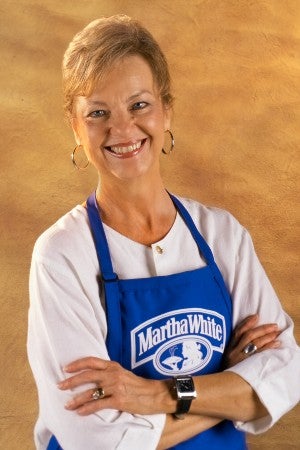
In 1975, she was invited to join the Martha White test kitchen by its director, Alice Jarman. The pair would develop recipes that could be included in mailed pamphlets on various themes throughout the year, promoting the use of Martha White flour and cornmeal to customers and home economics teachers.
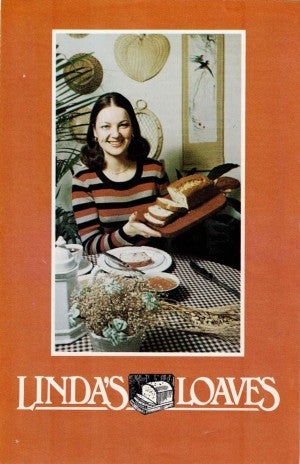
The baked goods would be photographed, and sometimes the makers as well. Carman was introduced to the Martha White community on the cover of such a pamphlet headlined, “Linda’s Loaves,” said Merrell. Sometimes country music stars would be included in the promotional shoots, Carman said. She eventually took over the test kitchen when Jarman retired.
In the 1990s, Martha White was bought by Pillsbury, and Carman moved to then-Dye, Van Mol & Lawrence, a public relations firm that did a lot of publicity work for consumer food brands. As part of its promotional efforts for company brands or industry associations, the firm had a test kitchen to develop recipes, said Merrell.
At some points during her career, Carman also served as a consultant for White Lily, Martha White’s biggest competitor.
Even Later, Carman said she worked for the Agricultural Extension Service, a statewide educational organization that brings research-based information about agriculture, family and consumer sciences to Tennesseans where they live and work.
True to their mission, the extension service sent Carman out throughout the region to do cooking demonstrations for gathered crowds. She would develop recipes to focus on the service’s latest information, “load all my stuff together and take off for Kentucky or some place,” she said. “Then I’d get out all my pots and pans and do cooking schools for them, mostly in auditorium buildings.”
Developing new recipes means keeping “your eyes open,” said Merrell. “Everywhere you go is a possible idea. You have to have your finger on the pulse of what people might need or want, and you have to not be afraid to fail. If you don’t fail, you don’t know what to fix.”
In addition to shining a spotlight on Nashville’s role in Southern cooking, Self-Rising includes a glossary of baking terms and recipes for a variety of ways to make biscuits, from butter swim biscuits to biscuit doughnuts. Cornbread baking tips cover everything from cast iron-baked cornbread served crust up to hushpuppies and hoecakes.
Other chapters provide recipes for pancakes, muffins, loaves, cakes, cookies, bars, cobblers and shortcakes. There is even a chapter for sides such as dressing and snacks such as corndogs. Recipes vary from traditional fried chicken to fried zucchini straws.
Whether it was growing up on biscuits and cornbread in Alabama or building a successful career as a baker and educator in Nashville, Carman’s whole life has revolved around cooking and baking. In 2026, the release of Self-Rising is just the crunchy topping on a full life lived with self-rising flour and cornmeal baked in.
Photos provided by Mindy Merrell