Lipscomb University is first faith-based institution in the state to earn Tennessee Certified Recovery Friendly Campus designation
State certification recognizes university’s commitment to supporting recovery, reducing stigma and connecting students with resources
Kim Chaudoin |
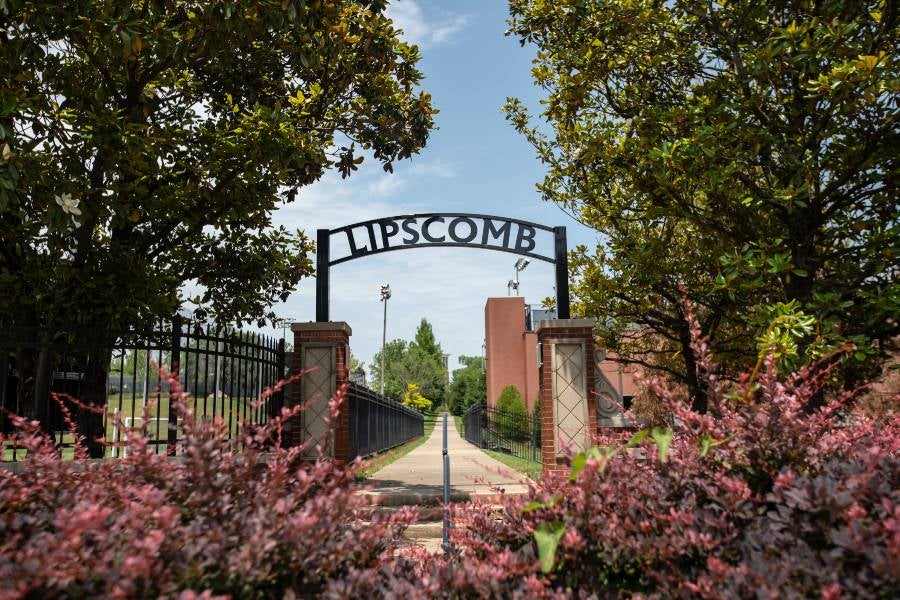
Lipscomb University has become the first faith-based university in Tennessee to earn designation as a Tennessee Certified Recovery Friendly Campus, recognizing its commitment to creating a supportive campus environment for individuals impacted by substance use disorders and recovery.
The designation, awarded through the Tennessee Department of Mental Health and Substance Abuse Services’ (TDMHSAS) Tennessee Collegiate Recovery Initiative, recognizes colleges and universities that have demonstrated a commitment to supporting students, faculty and staff in recovery while promoting awareness, reducing stigma and connecting individuals with resources.
For nearly a decade, Lipscomb has prepared counselors to address substance use disorders through its Master of Science in Clinical Mental Health Counseling addiction specialization program. This designation represents both an extension of work already underway and an opportunity to expand recovery support across the campus community.

DeAndrea Witherspoon Nash
“This designation affirms the work we have been building for several years to create a campus where recovery is understood, supported and recognized as a strength,” said DeAndrea Witherspoon Nash, chair of Lipscomb’s Department of Psychology, Counseling and Family Science and lead faculty for the addiction specialization program. “It gives us access to additional training and resources, but just as importantly, it helps us increase awareness, dispel myths around addiction and recovery and equip our community to respond with knowledge, compassion and hope.”
“As a faith-based institution, this work aligns naturally with our commitment to care for the whole person and to walk alongside people as they pursue healing, wellness and lives of purpose,” she continued. “This designation reinforces our ongoing commitment to creating a place where people know they can ask for help, where those in recovery feel supported and where stigma is replaced with greater understanding and compassion.”
“I'm proud that the work of the Clinical Mental Health Counseling program has led to this designation,” said Lynette Austin, dean of Lipscomb’s College of Health & Human Sciences. “Our identity as a Christ-centered institution makes the Lipscomb community an ideal environment for compassionate, caring support of individuals and families working through addiction recovery. I'm thrilled that through this designation more resources will be made available to all of us, as no one is untouched by this need.”
A Tennessee Certified Recovery Friendly Campus commits to following the Tennessee Collegiate Recovery Initiative’s best-practice model for supporting students in recovery. The model calls on campuses to view substance use disorders and mental health concerns as treatable conditions, make behavioral health resources readily available, connect individuals with treatment and recovery services and work intentionally to change campus narratives and reduce stigma surrounding substance use and recovery.
“This designation is more than a certification — it is a public affirmation that recovery is possible and supported within your campus community,” said Samantha McIntyre, director of the TSDMHSAS Collegiate Recovery Initiative. “Your leadership serves as an example for other institutions seeking to build environments where all individuals have the opportunity to succeed.”
To earn the designation, Lipscomb identified campus leadership and faculty advocates for the initiative.
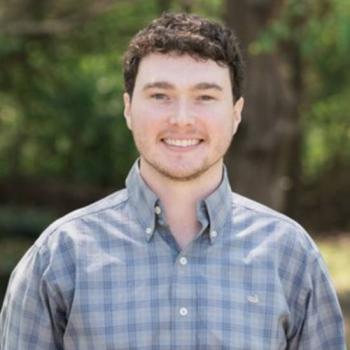
Kelly McBride
“As a person in recovery, this allows me to support others on campus who have shared similar experiences with me on the road to recovery,” said Kelly McBride, a graduate student in Lipscomb’s program who actively volunteers in the university’s recovery program and connects students with available resources. “Helping others is an integral part of my journey toward recovery, and I know from personal experience that being in college can bring about many new challenges. I am so happy that Lipscomb has been designated as a certified recovery-friendly campus and that students can embark on their journey toward recovery with the support of the university and the recovery community.”
The university also regularly conducts Recovery Ally training. Recovery Ally training is designed to increase awareness and understanding of substance misuse and prepare participants to more confidently support people who may be struggling. As a certified campus, Lipscomb will expanded access to free training, resources and direct support from the Tennessee Collegiate Recovery Initiative for campus events, educational opportunities and connections to community behavioral health providers and recovery support organizations.
The need for those efforts remains significant nationally. According to the Substance Abuse and Mental Health Services Administration’s 2025 National Survey on Drug Use and Health, 44.6 million Americans age 12 and older — 15.3% of that population — had a substance use disorder in the previous year. An estimated 47.2 million people needed substance use treatment, while 7.6 million, or 16%, received treatment. Among the 30.6 million U.S. adults who said they had experienced a problem with drug or alcohol use at some point in their lives, 22.3 million — 73% — said they had recovered or considered themselves to be in recovery.
Lipscomb’s involvement with the Tennessee Collegiate Recovery Initiative dates to 2021 and grew in part through the work of Jaime Harper, a 2021 Lipscomb graduate who earned a master’s degree in clinical mental health counseling with an addiction specialization. Harper, who has shared his own experience with addiction and long-term recovery, is now director of faith-based initiatives for the Tennessee Department of Mental Health and Substance Abuse Services. His work includes oversight of the state’s Collegiate Recovery Initiative.
That same year, Lipscomb hosted its first Collegiate Recovery Academy, bringing state experts and members of the university community together for Recovery Ally training, opioid overdose reversal training and education about recovery resources.
The university has continued to build on those efforts through its Master of Science in Clinical Mental Health Counseling addiction specialization. Lipscomb’s clinical mental health counseling program is the first faith-based program in Tennessee accredited by the Council for Accreditation of Counseling and Related Educational Programs, or CACREP.
The specialization, offered in partnership with Nashville-based Cumberland Heights, prepares students to address addiction through both substance use treatment and mental health counseling. Graduates complete the academic requirements to pursue two Tennessee licenses, Licensed Alcohol and Drug Abuse Counselor and Licensed Professional Counselor with Mental Health Service Provider designation, giving them training to address substance use disorders as well as underlying or co-occurring mental health needs.
The broader clinical mental health counseling curriculum also contributes to building awareness across the program. All students receive introductory training related to substance use and recovery, not only those pursuing the addiction specialization.
“That is an important part of this work,” said Witherspoon Nash. “No matter what area of counseling our students ultimately enter, they are going to encounter individuals and families whose lives have been affected in some way by substance use. We want our graduates and our campus community to understand that recovery works, to know how to support someone who may need help and to know how to connect that person with appropriate resources.”
National Recovery Month event on campus Sept. 30
Lipscomb also marks National Recovery Month each September with programming designed to create awareness, encourage conversation and connect the campus community with resources. This year’s recovery awareness event is scheduled for Sept. 30 at 5 p.m. on the Lipscomb campus. Additional details will be announced soon.