Lipscomb University Department of Theatre earns national accreditation
NAST accreditation affirms quality of Lipscomb’s theater curriculum, faculty, facilities and student training
Kim Chaudoin |
Originally Posted Sept. 27, 2026
After a five-year process of evaluation, reflection and continued program development, Lipscomb University’s Department of Theatre has earned accreditation from the National Association of Schools of Theatre (NAST), placing the program among a select group of theatre programs nationwide recognized for meeting rigorous standards.
NAST is a specialized accrediting organization that establishes national standards for undergraduate and graduate theatre programs. Lipscomb is one of about 183 accredited institutional members among schools, conservatories, colleges and universities across the country.
“The accreditation is particularly meaningful because it provides external affirmation of the program we have built at Lipscomb and recognizes the high standards we already had in place,” said Christopher Bailey, professor of musical theatre and voice and co-chair of the professor of musical theatre and voice and co-chair of the Department of Theatre, which is housed in Lipscomb’s George Shinn College of Entertainment & the Arts (CEA). “This process has affirmed the strength of the academic and professional training we provide our students and the work our faculty has done over many years to build a program centered on excellence. For our students, it means the education and training they receive at Lipscomb have been evaluated against rigorous national standards and recognized by our discipline.”
NAST accreditation evaluates theatre programs through a peer-review process focused on educational quality and institutional integrity. Its standards address areas ranging from curriculum and faculty credentials to facilities, performance opportunities, resources and institutional support.
“This achievement is a tremendous affirmation of the commitment our Theatre faculty has made to providing students with an exceptional educational and artistic experience,” said Mike Fernandez, CEA dean. “Accreditation at this level does not happen overnight. It represents years of strategic work, strengthening curriculum, examining practices, investing in facilities and resources, and continually asking how we can better prepare our students for meaningful careers and lives of purpose. I am incredibly proud of this department and grateful for the faculty, staff and students whose dedication made this recognition possible.”

The journey toward accreditation began about five years ago under the leadership of former department chair Beki Baker, Bailey explained. An initial site visit provided the department with recommendations that helped guide continued development of the program. Faculty then conducted an extensive self-study examining virtually every aspect of the department and its academic programs. During the process, the department prepared and submitted a 200-page report in which it evaluated its curriculum, policies, procedures, personnel, facilities and resources and demonstrated how each aligned with national standards.
“It was truly the equivalent of putting together a dissertation,” Bailey said of the self-study. “The process required us to look closely at everything we were doing, not just what happens in the classroom, but our performance spaces, faculty credentials, curriculum, production opportunities and the resources that support our students.”
The accreditation process also helped sharpen several initiatives that have strengthened the student experience over the past several years.
Among those is the department’s annual student-led production, which gives students responsibility for developing and producing a show with intentionally limited resources. Students must make artistic, production and budget decisions while creating work suitable for a public audience, an experience designed to develop practical skills they will need in the profession.
Facilities enhancements have also supported the department’s growth. In 2024, Lipscomb transformed the university’s former steam plant into a new theatre scene shop, providing students with an expanded space for building and designing sets. The facility was developed with NAST standards in mind, creating a more professional training environment for design and production students.
“Accreditation also connects Lipscomb with a national community of theatre educators and programs that share a commitment to advancing the discipline,” said Bailey. “Membership provides opportunities for faculty to participate in professional development, exchange ideas with colleagues at other accredited institutions and engage in conversations about common challenges and emerging issues in theatre education.”

That connection is particularly meaningful for Lipscomb as a Christ-centered institution, he said.
“There is something exciting about being a Christian institution at the table in this larger national community,” said Bailey. “We have an opportunity both to learn from others and to bring our perspective into conversations about excellence in theatre education. We can also build relationships with other faith-based institutions as we think together about how our faith informs the way we teach, create and prepare students for their work in the world.”
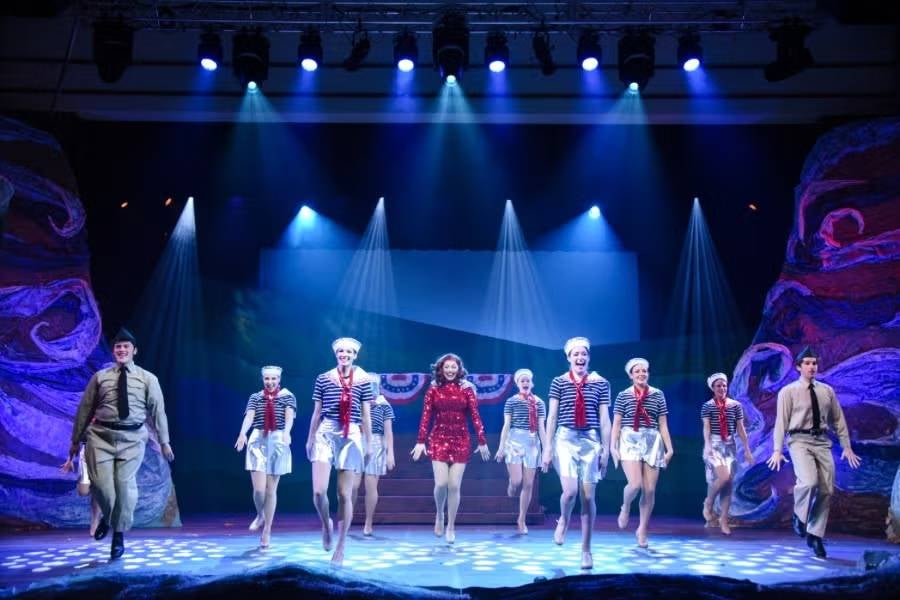
Lipscomb’s Department of Theatre is a mentor-based professional training program that combines rigorous artistic preparation with a liberal arts education and a Christ-centered community. Students learn from faculty with professional experience and have opportunities to collaborate with Nashville theatre organizations while developing skills in performance, design, production, education and other areas of the industry.
The department currently serves 80 theatre majors and offers Bachelor of Fine Arts degrees in acting, musical theatre and design and production, as well as a Bachelor of Arts in theatre education. Through coursework, productions, student films, professional experiences and other opportunities, students develop not only specialized theatre skills but also communication, collaboration, creative problem-solving and critical-thinking abilities that extend beyond the stage.
Bailey said accreditation provides an important benchmark while also reinforcing the department’s commitment to continuous improvement.
“It tells us that what we are doing for our students has been recognized by an organization with very high standards,” he said. “NAST has worked with theatre programs across the country for decades and understands what excellence in our discipline looks like. To have that external affirmation is incredibly encouraging and it also keeps us focused on continuing to grow.”
Lipscomb’s next comprehensive NAST review is scheduled for the 2030-31 academic year.
Learn more about Lipscomb University's Department of Theatre.