Excavation Projects

The mission of the Lanier Center for Archaeology is to conduct archaeological research. The focus of this research is primarily archaeology of the biblical world. Naturally, this expands to focus on the archaeology of the Ancient Near East and the eastern Mediterranean world. Upon the creation of the Lanier Center for Archaeology, the center immediately took on the research of six excavation projects.

The Lanier Center for Archaeology supports six projects in Israel (3), Cyprus, Egypt and Kazakhstan. These projects span the second millennium BC/BCE to Late Antiquity, and one project dates to the Middle Ages.

Student Fellowships

The Lanier Center for Archaeology offers competitive fellowships that empower graduate students to conduct original research and contribute to the field of biblical archaeology.

LCA Research Fellowship Recipients
Charissa Wilson - 2022

“I am currently residing in Jerusalem, Israel this year, so that I may study the finds from the Tel Gezer excavations in person. I come to the Tel Gezer lab each day and continue the work of creating a typology and research the finds from the important Iron Age IIA strata. By comparing what pottery we have in the lab that has been restored or mended to the ceramic assemblages of other sites in the region, I am able to better date the late Iron IIA (10th-9th century BC) strata and give a better context for the settlement of Tel Gezer during that period. I am studying the households destroyed during this time to gain a better understanding of the daily life and private identities of the people who lived there, and also how they existed within the broader region of the Israelite Shephelah near the coastal plain. This primary data from Tel Gezer will be a contribution to the field of Near Eastern Archaeology and the basis of my dissertation research for Lipscomb University.”
Eli Hosse - 2021

“Our time in Israel thus far has been wonderful! Interacting with any foreign culture is of tremendous educational value, but when that culture shares crossroads with religious and historical studies it really adds another dimension to the experience. I am thankful for this opportunity because our extended time here will provide a more intimate depth to my understanding of the land and help me to develop professional contacts that will be invaluable towards a successful career in archaeology.”

Field and Publication Projects

Lanier Center students are offered publication and excavation research projects for participation. Students are met with opportunities to fit their interests and faculty to support their growth. Our program emphasizes the importance of hands-on archaeological experiences across the globe and on campus. Between LCA artifacts on the Lipscomb University campus and the multiple off-site dig opportunities outlined below, students are prepared to engage in the archaeological space. 
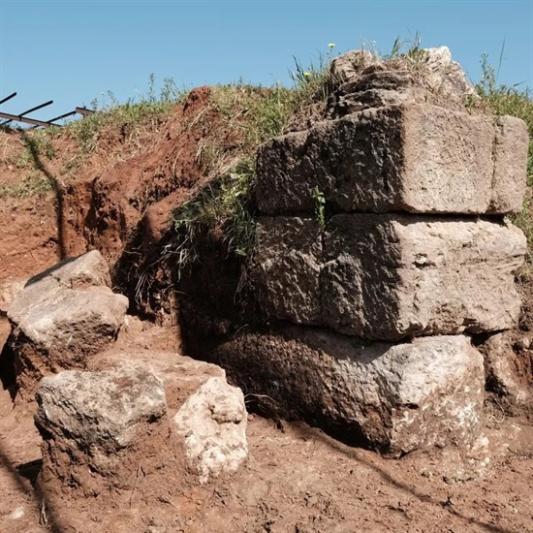
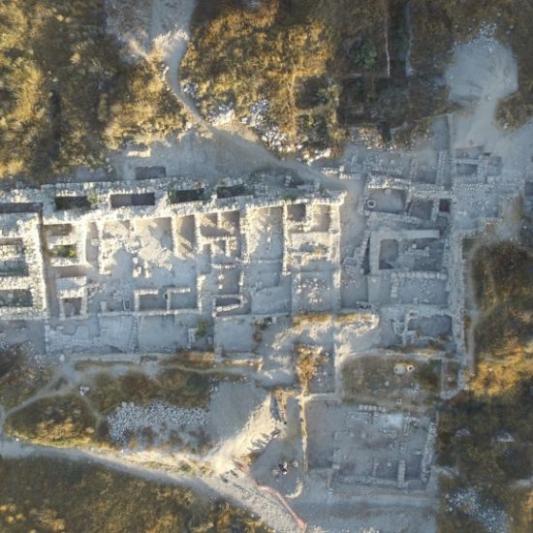
Rocks at Ashdod in the process of excavation by archaeologists

Ashdod Archaeological Project

Ashdod is a major site that was occupied from the Bronze Age period (by the Canaanites) through the Roman period and beyond. It is perhaps most famously known as a major Philistine city; this is the city to which the philistines took the Ark of the Covenant when they defeated the ancient Israelites in 1 Samuel 5-6.

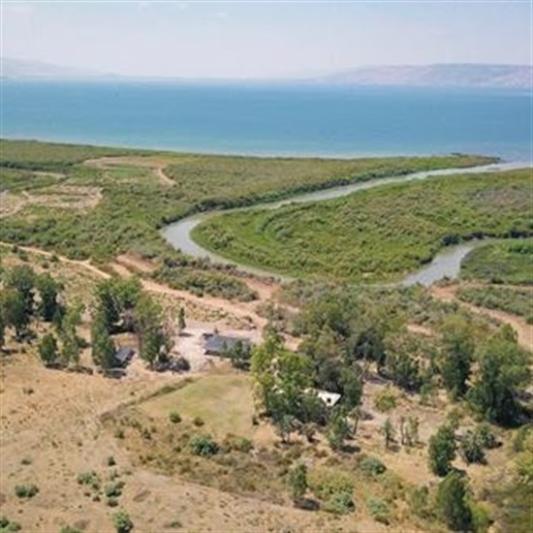
Landscape of the Biblical Bethsaida site

El Araj/Bethsaida Excavation Project

El Araj is now recognized by much of the field as the site of Biblical Bethsaida, hometown of the apostles Peter, Andrew, and Philip. It is also the location of several of the miracles of Jesus referenced in Mark 8 and Luke 9. The LCA found the project already in progress. One of the project's most notable dines includes a mosaic inscription from a Byzantine church invoking the name of the apostle Peter.

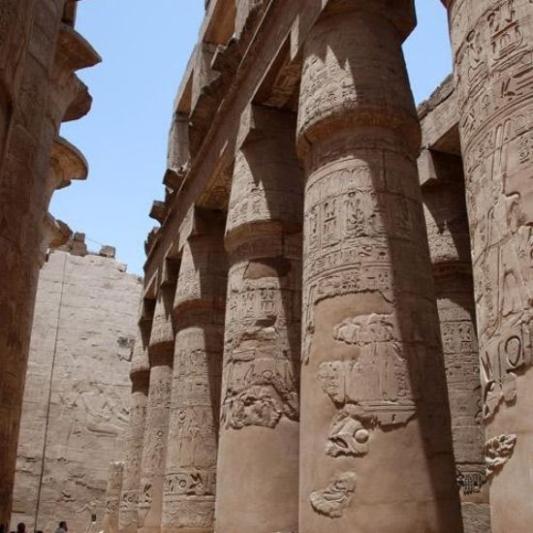
Karnak

Karnak Great Hypostyle Hall Project

For over 2,000 years, successive pharaohs rebuilt and expanded the temples at Karnak, making it the largest religious complex in the ancient world. The Great Hypostyle Hall was built by Seti I in the early 12th century BC and Ramesses the Great commanded his artisans to carve its walls and columns. Our project focuses on Ramesses’s famous Hittite Treaty and his successor Merenptah’s wall inscriptions.

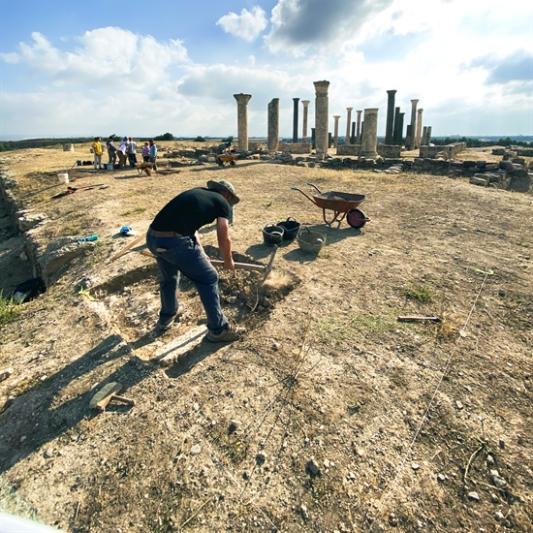
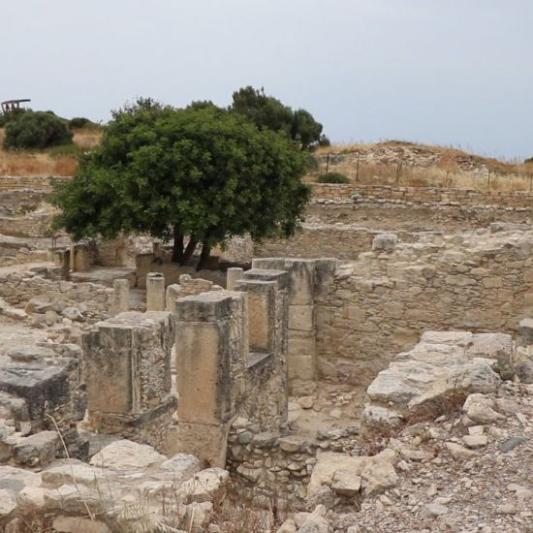
Kourion

Kourion Urban Space Project, Cyprus

The Kourion Urban Space Project is a multinational effort, committed to working in partnership with local Cypriot archaeologists and students under the direction of Dr. Thomas Davis. While Kourion has settlements from the Neolithic to the medieval periods, the emphasis of the excavation project is on the later Roman and early Byzantine periods, the world of the New Testament and the early church. The research goals of the project include investigating urban space on Cyprus, understanding the effects and recovery from earthquakes, and the transition from paganism to Christianity.

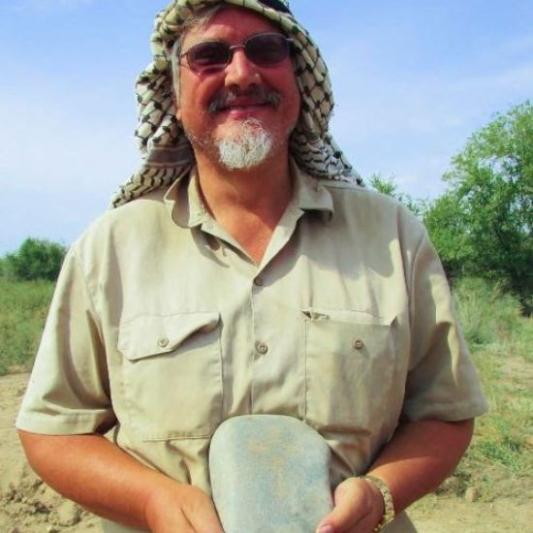
Ortiz at Ilibalyk

Ilibalyk Expedition, Kazakhstan

Ilibalyk was a medieval city located on the Silk Road. After the discovery of a Christian gravestone, the LCA was invited by the government to begin work there to explore the earliest evidence of Christianity in the region.

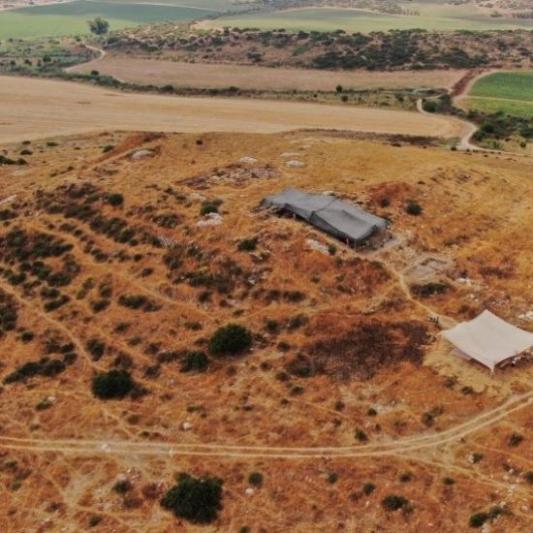
Tel Burna

Tel Burna Excavation Project, Israel

The Tel Burna Excavation Project is a long-term, multi-disciplinary research project sponsored by the Institute of Archaeology at Ariel University. The project has been in the field since 2009 and is directed by Dr. Itzhaq Shai, along with the support of other academic institutions. In addition to uncovering the settlement history of the site, the project’s long-term goals include the study of ancient borders, collecting survey data of the site and surrounding area pertaining to agriculture and other human activity, and engaging the community and public with the archaeology of the site and all it has to offer.

Tel Gezer

Tel Gezer Excavation and Publication Project, Israel

The Tel Gezer Excavation and Publication Project was a consortium of institutions under the direction of Dr. Steven Ortiz and Dr. Samuel Wolff. It was a multi-disciplinary field project investigating the Iron Age history of the ancient biblical city of Tel Gezer. In addition, the excavation team also uncovered the destruction of the 13th century BC Canaanite city, including the remains of three inhabitants who died in the attack that can be attributed to the Egyptian pharaoh Merneptah. After 10 years in the field, the project completed its final season in the summer of 2017 and is now focused on publication.

Tel Gezer Lab

Tel Gezer Regional Survey Project, Israel

Tel Gezer Regional Survey Project is a sister project to the Tel Gezer Excavation Project. The scope of this program is to explore, chart and survey the immediate environs surrounding the ancient city of Gezer. Comprehensive fieldwork began in 2009 and continues each year. The results of multiple seasons in the field will be illustrated in a forthcoming publication, including details pertaining to the Iron Age rock cut tombs, which have been extensively surveyed. The project made the news for its 2012 season during which the team discovered a lost Gezer boundary stone and discovered a new one, bringing the total to 13 stones in all.